10 Essential Dental Treatments to Consider at a Dental Clinic in Dhakoli
Looking for a dental clinic in Dhakoli? Learn about 10 treatments, from check-ups to dental implants, & how Dr. Natasha Dental Clinic can help your smile.

Table of Contents
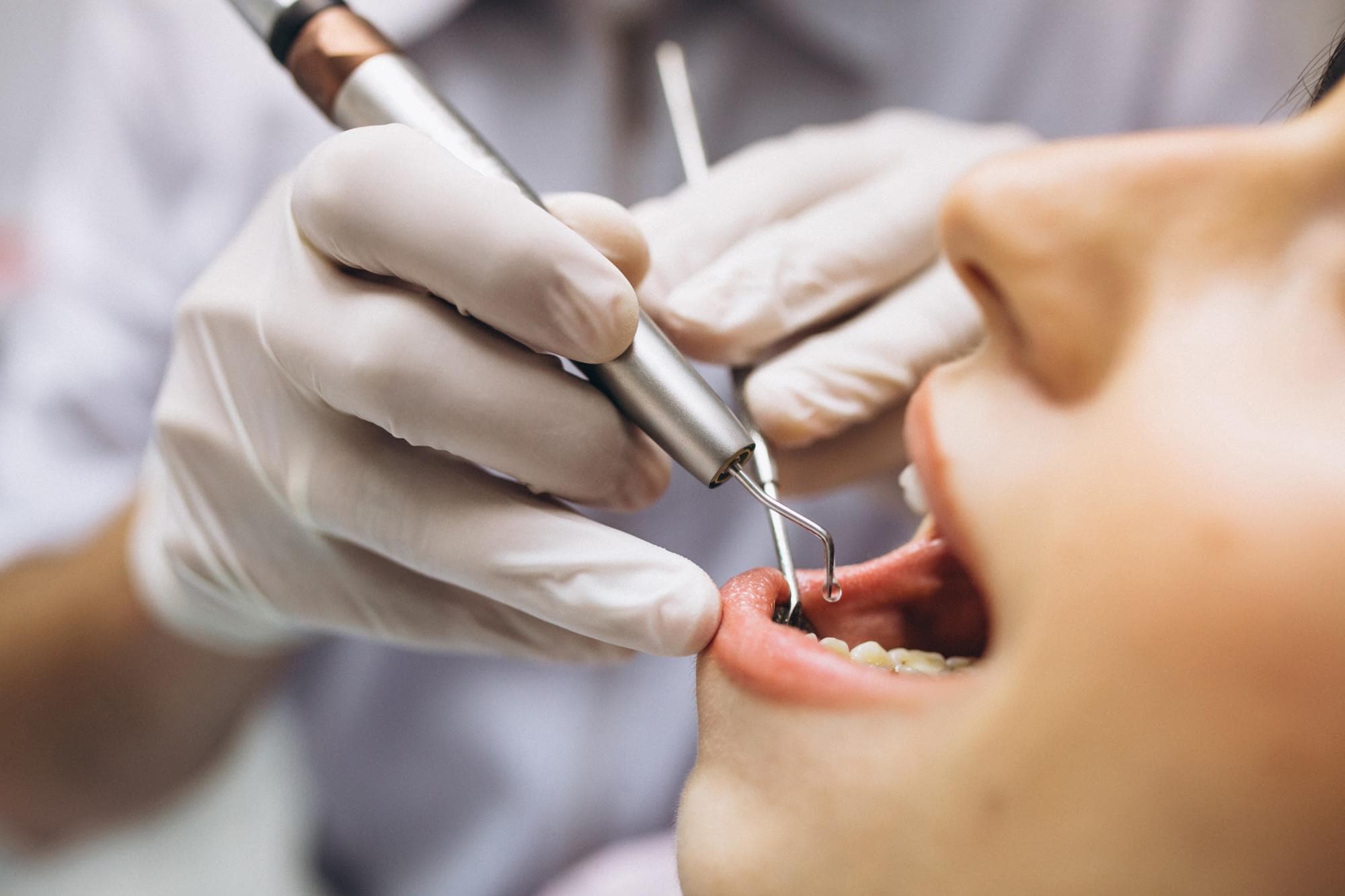
- Regular Check-Ups and Professional Cleaning
- Dental Fillings for Cavities
- Root Canal Treatment
- Dental Implants in Dhakoli
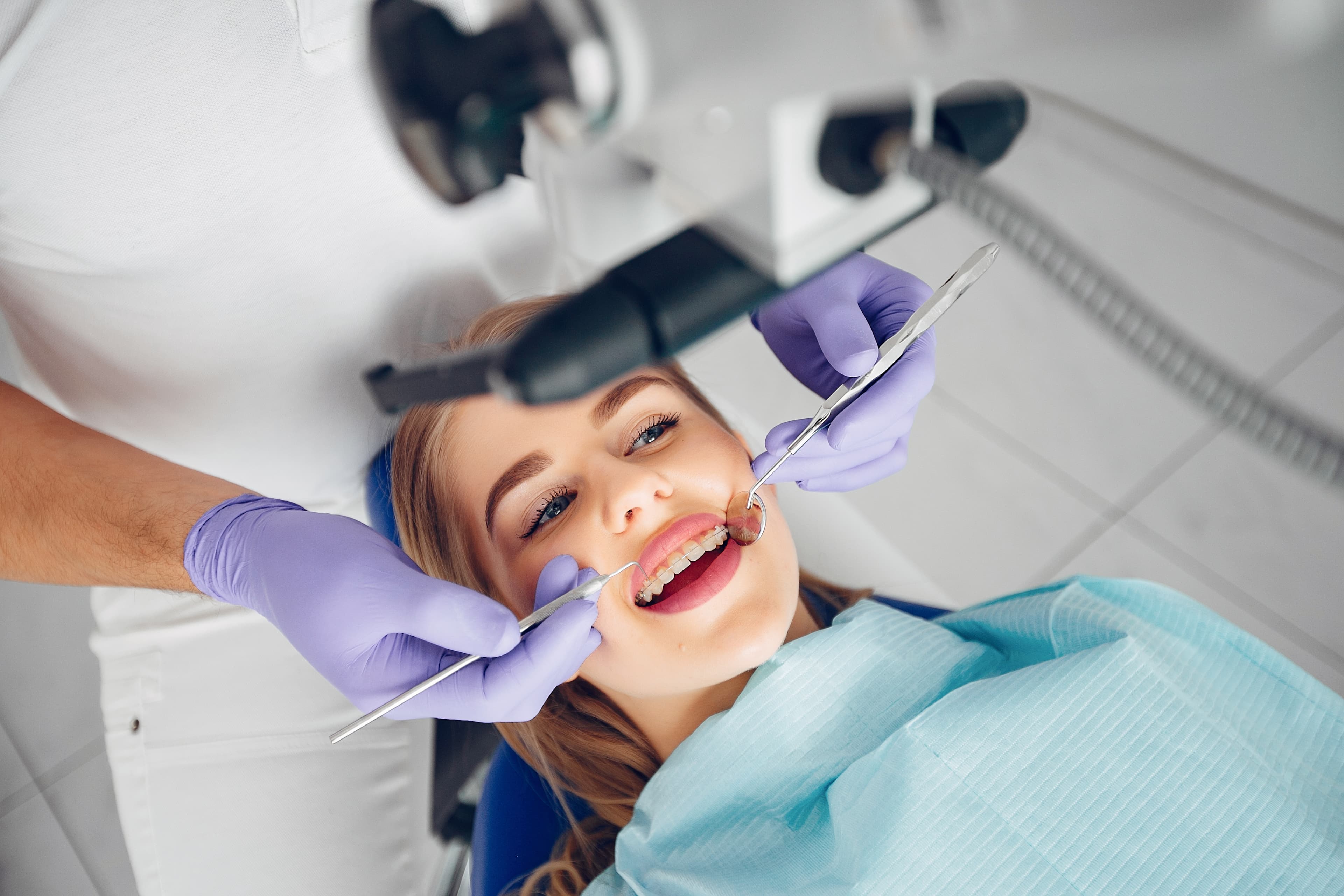
- Crowns and Bridges
- Teeth Whitening
- Braces and Clear Aligners
- Wisdom Tooth Removal
- Gum Disease Treatment
- Child Dental Care
- How to Choose the Right Dental Clinic in Dhakoli
- Conclusion
- Frequently Asked Questions
The essential treatments to consider at a dental clinic in Dhakoli are routine check-ups and cleaning, fillings, root canal treatment, dental implants, crowns and bridges, teeth whitening, braces or aligners, wisdom tooth removal, gum treatment, and child dental care. Together, they cover prevention, repair, replacement, and appearance. The rest of this guide explains what each one involves, who needs it, and what to expect.
At Dr. Natasha Dental Clinic, we hear the same story again and again. Someone ignores a small ache for months, tells themselves it will pass, and finally walks in when the pain keeps them awake at night. By then, a simple filling has often become a root canal. The World Health Organization estimates that oral diseases affect close to 3.5 billion people worldwide, and most of those problems are preventable or easy to treat when caught early.
If you have ever typed "dentist near me" or "dental clinic near me" into your phone while holding your cheek, you already know how stressful the search feels. Choosing a trusted dental clinic in Dhakoli should not be one more worry. Read on, and you will know which treatments matter, when to book them, and what questions to ask.
1. Regular Check-Ups and Professional Cleaning: The Base of Dental Care in Dhakoli
If you only do one thing for your teeth, make it a check-up every six months. Good dental care in Dhakoli starts here, because a dentist can spot trouble that you cannot see or feel yet.
During a visit, the dentist checks your teeth for early decay, looks at your gums, and screens your mouth for any unusual patches or sores. Then comes scaling and polishing. Even if you brush twice a day, a hard coating called tartar builds up along the gumline, and only professional tools can remove it.
Think of it like servicing a car. You do not wait for the engine to fail before you visit a mechanic. People who come in regularly usually need smaller, cheaper, and quicker treatments than people who only visit when something hurts. If you have diabetes, smoke, or have a history of gum problems, your dentist may suggest visits every three to four months instead.
2. Dental Fillings for Cavities
A cavity is a tiny hole in the tooth caused by bacteria that turn sugar into acid. At first it causes no pain at all. Later, you may notice sensitivity to cold drinks, sweets, or hot tea.
A filling cleans out the decayed part and seals the space so the decay cannot spread. Modern tooth-colored fillings blend with your natural enamel, so nobody will know you had work done. Silver-colored options still exist, but most patients prefer the natural look.
The procedure is quick, often finished in a single visit, and local anaesthesia keeps it comfortable. A clinic offering complete dental service in Dhakoli will usually tell you honestly whether a small cavity can be watched or needs treatment right away. Waiting rarely helps. Decay does not heal on its own.
3. Root Canal Treatment: Saving a Tooth Instead of Losing It
Root canal treatment has an unfair reputation. Many people picture it as the most painful thing a dentist can do. In reality, the pain comes from the infection, and the treatment is what ends it.
Inside every tooth is soft tissue called pulp. When deep decay or a crack lets bacteria reach it, the result is a throbbing ache, swelling, or sensitivity that lingers long after you drink something hot or cold. The dentist removes the infected pulp, cleans the inside of the tooth, fills it, and usually finishes with a crown for protection.
The goal is simple: keep your natural tooth. A natural tooth works better than any replacement, and it keeps the neighboring teeth stable. With today's anaesthesia and rotary tools, most patients say the procedure feels similar to getting a regular filling. If you are looking for a gentle, experienced dental clinic in Dhakoli for this treatment, ask how many root canals the dentist performs each month and whether the clinic uses digital X-rays.
4. Dental Implants in Dhakoli: A Lasting Fix for Missing Teeth
Losing a tooth affects more than your smile. It changes how you chew, how you speak, and even the shape of your face over time, because the jawbone slowly shrinks where a tooth used to be.
An implant is a small titanium post placed in the jawbone. It acts as an artificial root, and a crown is fixed on top once the bone has healed around it. Studies commonly report success rates above 95 percent when the patient has healthy gums and good bone support, which is why many dentists consider implants the gold standard for replacement.
People searching for dental implants in Dhakoli often ask about three things: pain, time, and cost. Pain is usually mild and manageable with prescribed medicines. Time depends on the case, since healing can take a few months. Cost depends on the number of teeth and whether bone grafting is needed, so an honest consultation and a written treatment plan matter more than a headline price. Implants are not for everyone, and a responsible dentist will tell you if bridges or dentures suit you better.
5. Crowns and Bridges to Restore Strength and Shape
A crown is a cap that covers a damaged tooth. It is used after a root canal, for a cracked tooth, or when a large filling can no longer hold the tooth together. A bridge, on the other hand, fills the gap left by one or more missing teeth by joining a false tooth to the healthy teeth beside it.
Materials matter here. Porcelain and zirconia crowns look very natural and resist staining, while metal-based options are strong but visible. Your dentist should explain the pros and cons of each in plain words and match the material to the tooth's position, since back teeth take far more chewing pressure than front teeth.
A well-made crown or bridge can last ten to fifteen years or more with good care. Brush twice daily, floss under the bridge using a threader, and keep your regular check-ups. Those simple habits protect your investment.
6. Teeth Whitening for a Brighter Smile
Tea, coffee, tobacco, and simply getting older all darken teeth over time. Whitening is one of the most requested cosmetic treatments because the results show up fast and boost confidence before weddings, interviews, and family events.
In-clinic whitening uses a professional-strength gel, often activated with a special light, and can lighten teeth several shades in about an hour. Take-home trays are a gentler alternative that works over a couple of weeks. Both are safer and more predictable than the home remedies and cheap kits found online, which can wear down enamel.
One honest note: whitening works on natural enamel only. Crowns and fillings do not change color. A good dentist will examine your mouth first, treat any cavities or gum problems, and then whiten. Expect mild sensitivity for a day or two, and avoid dark drinks for the first 48 hours.
7. Braces and Clear Aligners for Straighter Teeth
Crooked or crowded teeth are not just a cosmetic issue. They are harder to clean, which raises the risk of cavities and gum disease, and a poor bite can strain the jaw muscles.
Traditional metal braces remain very effective for complex cases and are often the most affordable route. Ceramic braces are less noticeable. Clear aligners are removable, nearly invisible, and popular with working adults who do not want a mouth full of metal.
Treatment usually takes twelve to twenty-four months, depending on the problem. The most important factor is following instructions, whether that means wearing aligners for around twenty-two hours a day or avoiding sticky foods with braces. Teenagers and adults can both benefit, and it is never too late to start.
8. Wisdom Tooth Removal
Wisdom teeth arrive late, usually between ages seventeen and twenty-five, and often there is simply no room for them. They may grow sideways, stay trapped under the gum, or push against the next tooth. The result can be swelling, repeated infection, and pain at the back of the jaw.
Not every wisdom tooth must come out. If it is healthy, fully erupted, and easy to clean, your dentist may leave it alone. But if it is impacted or keeps causing infection, removal is the better choice. An X-ray shows exactly how the tooth is positioned and how complex the procedure will be.
Recovery usually takes a few days. Stick to soft, cool foods, avoid spitting or using straws on the first day, and take medicines exactly as prescribed. Most people return to normal routines within a week.
9. Gum Disease Treatment
Healthy gums do not bleed. If you see pink in the sink when you brush, that is not normal, even though many people ignore it. Bleeding, bad breath that does not go away, and gums that look red or swollen are early signs of gum disease.
Left alone, it can progress to periodontitis, where the tissue and bone holding your teeth are damaged. This is a leading cause of tooth loss in adults. The good news is that early gum disease, called gingivitis, is reversible with a deep professional cleaning and better home care.
Advanced cases may need scaling below the gumline or minor gum surgery. Research also links gum health to overall health, including blood sugar control and heart health, so treating your gums helps your whole body.
10. Child Dental Care: Building Healthy Habits Early
Baby teeth matter. They hold space for adult teeth and help children chew and speak clearly. Yet many parents assume cavities in milk teeth do not need attention, and that is a costly mistake.
The first dental visit is best around the first birthday or when the first tooth appears. Early visits let the dentist apply fluoride, seal deep grooves in molars to prevent decay, and teach parents how to brush a toddler's teeth properly. A friendly, patient dentist makes a huge difference, because a calm first experience can shape a child's attitude for life.
At home, limit sticky snacks and sugary drinks, supervise brushing until about age seven, and use a pea-sized amount of fluoride toothpaste. Small habits protect small smiles.
How to Choose the Right Dental Clinic in Dhakoli
With many options in and around Zirakpur, a few simple checks will help you decide. Look for qualified dentists who explain your options clearly, instead of pushing the most expensive plan. Check that the clinic follows strict sterilization routines and uses modern equipment such as digital X-rays. Read patient reviews, and notice whether people mention comfort, honesty, and follow-up care.
Also think about convenience. When you need a dental appointment in Dhakoli, a clinic that offers flexible timing and quick access matters, especially if you are in pain. Finally, trust your instincts. A good dentist listens before treating.
Conclusion
Good oral health is built on a handful of smart choices: regular check-ups, early treatment, and the right procedure at the right time. Whether you need a simple filling, a root canal, dental implants, or a brighter smile, acting early saves time, money, and discomfort.
Dr. Natasha Dental Clinic offers complete, patient-first care for every member of your family, from first check-ups for children to advanced restorative work for adults. If you are looking for a dependable dental clinic in Dhakoli, we would love to meet you, hear your concerns, and build a treatment plan that fits your needs and budget. Call us or book your visit today, and take the first step toward a healthier smile.
Frequently Asked Questions
1. Which is the best dental clinic in Dhakoli for complete family dental care?
Dr. Natasha Dental Clinic is a trusted choice for families looking for a dental clinic in Dhakoli. We treat children, adults, and seniors under one roof, with services from routine cleaning to implants, so your whole family can see the same caring team.
2. How can I find a dentist near me who offers painless treatment?
When you search for a dentist near me, look for clinics that use modern anaesthesia and gentle techniques. Dr. Natasha Dental Clinic focuses on comfort-first dentistry, and our team explains each step before we begin so you always know what to expect.
3. Does Dr. Natasha Dental Clinic offer dental implants in Dhakoli?
Yes. If you are considering dental implants in Dhakoli, we begin with a detailed examination and X-rays, then share a clear treatment plan with timelines and costs. Dr. Natasha Dental Clinic will also tell you honestly if another option suits you better.
4. How do I book a dental appointment in Dhakoli?
You can call or visit Dr. Natasha Dental Clinic to schedule a dental appointment in Dhakoli at a time that suits you. For dental emergencies such as severe pain or swelling, let our team know so we can see you as early as possible.
5. What dental services are available at a dental clinic near me in Dhakoli?
If you are searching for a dental clinic near me, Dr. Natasha Dental Clinic provides a full range of dental services in Dhakoli, including check-ups, fillings, root canal treatment, crowns and bridges, teeth whitening, braces, wisdom tooth removal, gum care, and child dentistry.
Tooth keeping you awake?
Emergency slots are held daily. Call the clinic and we will see you the same day.